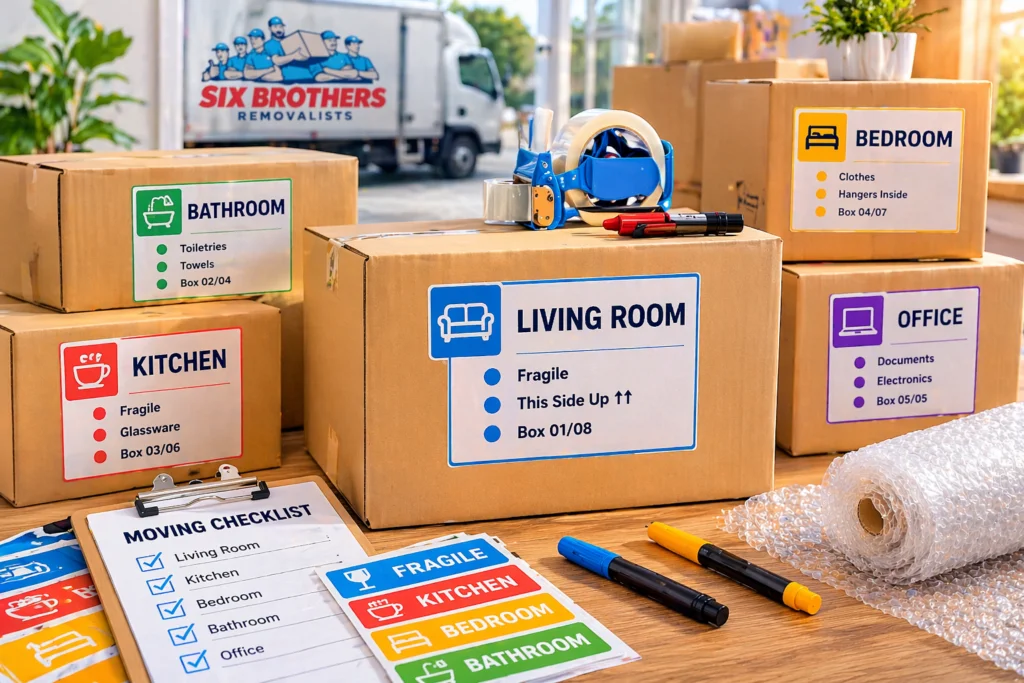
Moving house can be exciting, but it can also become stressful when important tasks are left until the last minute. From sorting your belongings and packing boxes to arranging utilities, confirming access and preparing your essentials, there are many things to organise before moving day.
A detailed house moving checklist helps you stay organised and makes it easier to know what needs to be done and when. Whether you are moving to a new apartment, a family home or a larger property, preparing early can make the entire process smoother.
If you are planning to use a professional removals company, it is also important to provide accurate information about your property, belongings, access and parking. Alpha Removals helps customers plan and manage house moves, including loading, transportation, unloading, furniture protection, dismantling and reassembly where required.
Here is a practical checklist covering the most important things to do before moving day.
8 Weeks Before Moving Day
Confirm Your Moving Date
Once your moving date is confirmed, start organising your moving plan. Having a fixed date makes it easier to arrange your removals company, packing schedule, utility changes and other important tasks.
If your date is not completely confirmed, you can still begin decluttering and packing items that you do not regularly use.
Book Your Removals Company
One of the first things to arrange is your removals service. Avoid waiting until the final few days, particularly if you are moving during a busy period.
When requesting a removals quote, provide as much information as possible, including:
- Collection and delivery addresses
- Property type
- Number of bedrooms
- Approximate number of boxes
- Large or heavy furniture
- Loft, garage or shed contents
- Stairs or lift access
- Parking arrangements
- Fragile or valuable belongings
- Furniture requiring dismantling
- Packing or storage requirements
Providing accurate information helps the removals company understand the actual scope of your move.
Start Decluttering
Moving is a good opportunity to reduce the number of things you own.
Go through each room and separate belongings into:
- Keep
- Donate
- Sell
- Recycle
- Dispose of
There is little benefit in spending time and money packing items you no longer want.
Start with areas you use less frequently, such as the garage, loft, storage cupboards, spare bedroom and garden shed.
6 Weeks Before Moving Day
Create a Room-by-Room Packing Plan
Instead of packing everything randomly, create a simple plan for each room.
Start with items you do not use every day, such as:
- Seasonal clothing
- Books
- Decorations
- Artwork
- Spare kitchen equipment
- Guest-room items
- Collectibles
- Storage items
Leave everyday essentials until closer to moving day.
Buy the Right Packing Materials
Make sure you have enough packing supplies before you start packing seriously.
Depending on your belongings, you may need:
- Strong cardboard boxes
- Small boxes for heavier items
- Bubble wrap
- Packing paper
- Furniture covers
- Packing tape
- Labels and markers
- Mattress protection
- Protective materials for fragile items
If you are using Alpha Removals, ask about available packing support and materials if you would prefer professional assistance.
Measure Large Furniture
Check whether your larger furniture will fit through doors, hallways, staircases and other access points at both properties.
Pay particular attention to:
- Sofas
- Beds
- Wardrobes
- Dining tables
- Large cabinets
- Desks
- Appliances
If furniture needs dismantling, tell your removals company in advance rather than waiting until moving day.
4 Weeks Before Moving Day
Start Packing Non-Essential Items
By this stage, most rarely used items should already be packed.
Clearly label every box with:
- Room name
- General contents
- Fragile warning where required
- Which side should remain upright
- Whether it is needed immediately
For example, instead of writing only “Kitchen”, write “Kitchen – Plates & Glasses – Fragile”.
This makes unloading and unpacking considerably easier.
Prepare a Moving Inventory
Create a basic inventory of the main items being moved.
You do not necessarily need to list every small household item, but record important furniture, appliances, valuable belongings and boxes.
An inventory can help you keep track of your possessions during loading, transportation and unloading.
Arrange Storage if Required
Sometimes the moving dates do not line up perfectly. You may need to leave your current property before your new home is ready.
In this situation, storage can provide a temporary solution.
Consider storage if:
- Your new property is not ready
- Your completion dates do not match
- You are renovating the new property
- You are downsizing
- You need temporary accommodation
- You are moving in stages
Discuss storage requirements with your removals provider as early as possible.
2 Weeks Before Moving Day
Notify Important Organisations of Your New Address
Make a list of organisations and companies that need your new address.
Depending on your circumstances, this may include:
- Banks
- Insurance companies
- Employers
- Schools
- Government services
- Doctors and other service providers
- Subscription services
- Delivery companies
- Friends and family
Updating your address early reduces the risk of important documents or deliveries being sent to your old property.
Arrange Utility Changes
Contact your electricity, gas, water, internet and other utility providers.
Arrange for services at your current property to be closed or transferred where appropriate, and make sure services at your new property are arranged.
Do not leave internet installation until the last minute if you need a working connection immediately after moving.
Separate Items That Are Not Moving
Make sure anything staying behind is clearly separated from the belongings being loaded onto the removal vehicle.
This can include:
- Items being sold
- Items being donated
- Landlord-owned furniture
- Items belonging to other people
- Rubbish or recycling
Clear separation prevents confusion when the removals team starts loading.
1 Week Before Moving Day
Finish Most of Your Packing
Ideally, most of your belongings should already be packed before moving day.
If you are self-packing, avoid leaving the majority of your boxes until the final night. Packing while the removals team is waiting can create unnecessary delays and make the day more stressful.
Alpha Removals recommends having self-packed contents ready to go when the moving team arrives.
Prepare Your Essentials Box
Pack a separate box or bag containing the things you will need immediately after arriving at your new home.
Consider including:
- Toiletries
- Change of clothes
- Towels
- Phone chargers
- Basic cleaning supplies
- Toilet paper
- Snacks
- Bottled water
- Basic kitchen items
- Important documents
- Children’s essentials
- Pet supplies
Keep this box clearly labelled and make sure you can access it easily.
Keep Important Personal Items With You
Some belongings should not be placed into the general removal load.
Keep important items with you, such as:
- Passports
- Personal documents
- Keys
- Wallets
- Medication
- Phones
- Chargers
- Jewellery
- Important paperwork
- Sentimental belongings
Alpha Removals also recommends keeping personal documents, keys, medication, valuables and sentimental items with you rather than packing them into the main move.
Check Access and Parking
Check Access at Your Current Property
Before moving day, think about how the removal team will get furniture and boxes from your home to the vehicle.
Check for:
- Narrow entrances
- Stairs
- Lifts
- Long corridors
- Tight corners
- Gated access
- Building restrictions
- Long carrying distances
- Parking limitations
If there are any unusual access conditions, tell Alpha Removals in advance so they can plan accordingly.
Check Access at Your New Home
Do the same at the destination property.
If you are moving into an apartment or building, check whether there are requirements for:
- Lift bookings
- Loading bays
- Building access
- Parking permits
- Moving time restrictions
- Security arrangements
Good access planning can save considerable time on moving day.
Arrange Parking
Parking is one of the details that can have a major impact on the efficiency of a house move.
If the removal vehicle cannot park close to the property, furniture and boxes may need to be carried a much longer distance.
Where possible, arrange suitable parking at both properties and communicate any parking restrictions to your removals company in london before moving day.
Alpha Removals highlights parking and access as important parts of preparing for a smooth moving day.
The Day Before Moving
Complete the Final Packing
By the evening before your move, only essential items should remain unpacked.
Check every room, including areas people often forget:
- Loft
- Garage
- Garden
- Shed
- Balcony
- Cupboards
- Under beds
- Spare rooms
- Storage areas
These areas can contain more belongings than expected and are frequently overlooked when preparing a removals quote.
Defrost and Empty Your Fridge and Freezer
If you are taking your refrigerator or freezer with you, check the manufacturer’s recommendations for preparing it for transportation.
Empty the contents and allow sufficient time for defrosting if required.
Charge Your Devices
Charge your phone, tablet and other essential devices before moving day.
Your phone is particularly important because you may need to communicate with the removals team, estate agent, solicitor, landlord, building manager or family members.
Get a Good Night’s Sleep
Moving day can be physically and mentally demanding.
Once everything is ready, try to get some rest rather than staying awake all night trying to finish tasks that could have been completed earlier.
Moving Day Checklist
Wake Up Early
Give yourself enough time to get ready before the removals team arrives.
Have breakfast, get dressed and make sure your essential items are separated from the belongings being moved.
Keep Keys and Important Documents With You
Do not accidentally pack your house keys, identification, property documents or other important paperwork.
Keep them in a secure bag that stays with you.
Make Sure the Property Is Ready
Before loading starts:
- Ensure boxes are sealed
- Clear pathways
- Separate items that are not moving
- Keep essential items with you
- Make sure access points are clear
- Confirm parking arrangements
- Identify fragile or valuable belongings
Walk Through the Move With the Removals Team
When the Alpha Removals team arrives, walk through the property with them and confirm the moving plan.
This is a good opportunity to point out:
- Items requiring special handling
- Furniture requiring dismantling
- Fragile belongings
- Items that are not moving
- Access restrictions
- Parking or loading details
Alpha Removals’ moving-day process includes an initial walkthrough, confirmation of access and parking, protection and dismantling where required, loading, transport, unloading and a final check.
Final House Moving Checklist
Use this quick checklist before leaving your old property.
Packing
- All boxes are packed and labelled
- Fragile items are properly protected
- Furniture is ready for dismantling where required
- Loft and storage areas have been checked
- Garage and garden have been checked
- Items staying behind are clearly separated
Documents and Essentials
- Keys are with you
- Personal documents are with you
- Medication is with you
- Phone and chargers are packed separately
- Wallet and valuables are secure
- First-night essentials are ready
Property
- Cupboards have been checked
- Drawers have been emptied
- Appliances have been prepared
- Windows and doors have been checked
- Utilities have been arranged
- Cleaning has been completed where necessary
Removals
- Removals company confirmed
- Moving date confirmed
- Collection and delivery details confirmed
- Parking arranged where required
- Access restrictions communicated
- Fragile and valuable items identified
- Additional services confirmed
What Should You Keep With You on Moving Day?
It is generally better to keep essential and valuable personal belongings with you instead of placing them in the main removal load.
Your personal moving-day bag could include:
- Identification
- House keys
- Wallet
- Phone
- Chargers
- Medication
- Important documents
- Jewellery
- Basic toiletries
- Change of clothes
- Snacks and water
- Children’s essentials
- Pet essentials
Having these items immediately available can make the first few hours in your new home much easier.
Common House Moving Mistakes to Avoid
Leaving Packing Until the Last Minute
One of the most common moving mistakes is underestimating how long packing takes.
Start early and pack gradually rather than trying to complete the entire property in one or two days.
Forgetting Storage Areas
Lofts, garages, sheds and spare rooms can significantly increase the amount being moved.
Make sure these areas are included when planning your removals service.
Not Mentioning Difficult Access
Stairs, narrow hallways, lifts, long carrying distances and restricted entrances can affect how a move is planned.
Tell your removals company about these details before moving day.
Forgetting Parking
Even a well-organised move can become slower when the removal vehicle cannot park close to the property.
Check parking arrangements for both addresses in advance.
Packing Important Items in Random Boxes
Do not bury your passport, medication, keys or phone charger inside a box labelled “Miscellaneous”.
Keep essential items separate and easy to access.
Moving More Than Originally Planned
As moving day approaches, it is common to discover additional belongings in garages, lofts and storage spaces.
If the amount being moved changes significantly, tell your removals company as early as possible.
How Alpha Removals Can Help With Your House Move
A successful house move is about more than transporting boxes from one property to another. Good preparation, accurate information and the right removals support can make the process considerably easier.
Alpha Removals provides house removals support that can include planning around access and parking, packing assistance, furniture protection, dismantling, loading, transportation, unloading, reassembly and unpacking where requested.
The company can also help with moves involving fragile, antique, artwork and other valuable belongings when these requirements are communicated during the planning stage.
If you are planning a house move, providing complete information about your property and belongings can help the removals team prepare properly and reduce avoidable delays.
Final Thoughts
A house move becomes much easier when you prepare in stages instead of leaving everything until the final few days. Start by confirming your moving date and removals service, then declutter, pack gradually, organise utilities and address changes, and check access and parking at both properties.
On moving day, keep your essentials with you, make sure the property is ready and walk through the moving plan with your removals team.
With the right preparation and support from a professional removals company such as Alpha Removals, you can make moving day more organised, efficient and manageable.
Frequently Asked Questions
Ideally, start preparing several weeks before moving day. Begin by decluttering, booking your removals company and creating a packing plan. Completing tasks gradually can make the moving process much easier.
Start with items you rarely use, such as seasonal clothing, books, decorations, spare-room belongings and storage items. Keep everyday essentials until closer to moving day.
Keep important documents, keys, medication, valuables, phones, chargers and sentimental belongings with you rather than placing them in the main removal load.
Yes. Let your removals company know about stairs, lifts, narrow access, long carrying distances and parking restrictions. This helps the team plan your move properly and avoid unnecessary delays.
Yes. Label each box with its destination room and add handling instructions such as “Fragile” where necessary. This makes unloading and unpacking easier.
Ideally, start preparing several weeks before moving day. Begin by decluttering, booking your removals company and creating a packing plan. Completing tasks gradually can make the moving process much easier."}},{"@type":"Question","name":"What should I pack first when moving house?","acceptedAnswer":{"@type":"Answer","text":"
Start with items you rarely use, such as seasonal clothing, books, decorations, spare-room belongings and storage items. Keep everyday essentials until closer to moving day."}},{"@type":"Question","name":"What should I keep with me on moving day?","acceptedAnswer":{"@type":"Answer","text":"
Keep important documents, keys, medication, valuables, phones, chargers and sentimental belongings with you rather than placing them in the main removal load."}},{"@type":"Question","name":"Should I tell my removals company about stairs and parking?","acceptedAnswer":{"@type":"Answer","text":"
Yes. Let your removals company know about stairs, lifts, narrow access, long carrying distances and parking restrictions. This helps the team plan your move properly and avoid unnecessary delays."}},{"@type":"Question","name":"Do I need to label my moving boxes?","acceptedAnswer":{"@type":"Answer","text":"
Yes. Label each box with its destination room and add handling instructions such as “Fragile” where necessary. This makes unloading and unpacking easier."}}]}