

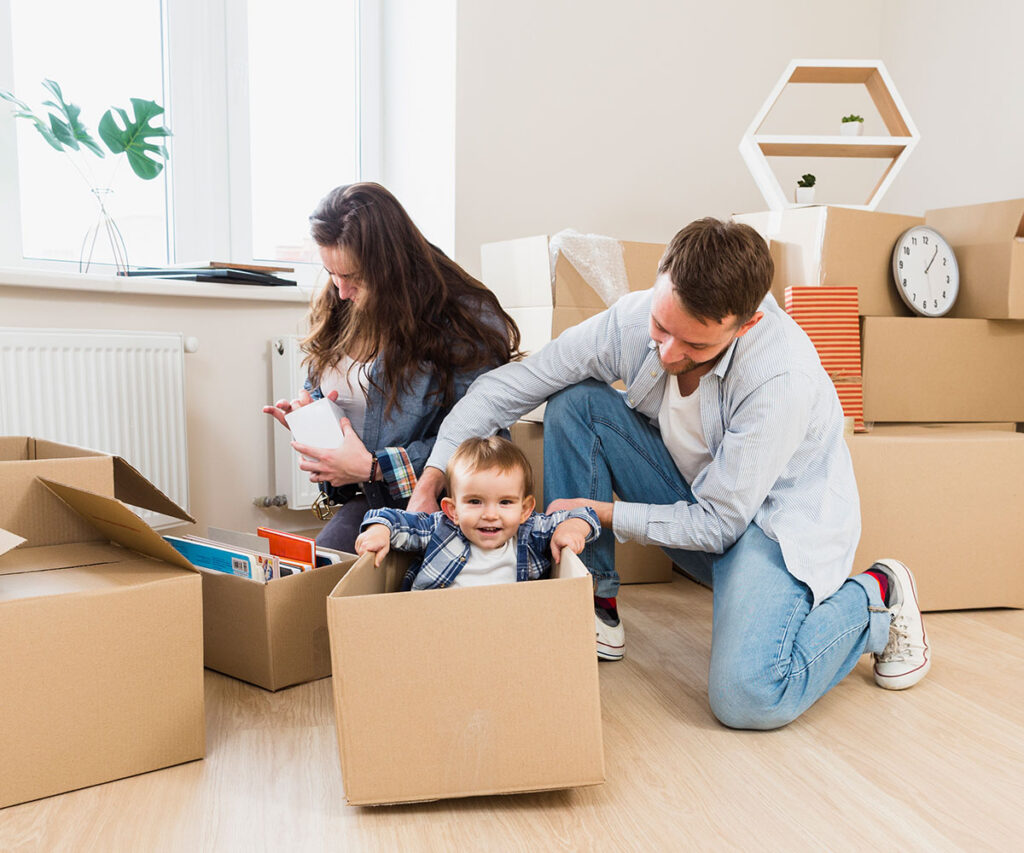
Packing Tips for Moving House That Make the Move Easier to Manage
Packing for a house move usually feels simple at first. Then the scale of it becomes clear. One room turns into several, everyday items are still in use, boxes start piling up without a clear system, and the move can quickly begin to feel heavier than expected. Good packing is not about putting everything into boxes as fast as possible. It is about packing in a way that protects your belongings, keeps the home manageable, helps the removals team work efficiently, and makes unpacking at the new property much easier.
The strongest packing tips are usually the practical ones. Pack in the right order. Label clearly. Protect breakables properly. Keep essentials separate. Do not leave awkward rooms until the last minute. Do not pretend the loft, under-bed storage or spare room will somehow sort themselves out. A well-packed move tends to feel calmer because the property is easier to load, the contents are easier to unload, and you are far less likely to spend the first night opening five boxes to find one charger.
This guide is for people who want useful packing tips for moving house without filler. It covers what to pack first, how to handle different rooms, how to pack fragile items, what should stay with you, and what mistakes create the most stress in the final week. If you are preparing for a move and want the packing stage to support the day rather than slow it down, this is where to start.
- Pack by order of use, not by whichever room feels easiest
- Keep your box system simple and consistent
- Protect fragile items before you stack speed above care
- Separate essentials early rather than at the last minute
- Treat packing as part of the move plan, not a separate job
happy customers
have to say
The best packing tips for moving house start with the right order
Packing usually becomes stressful when there is no sequence. People start with one cupboard, move to another, half-pack the kitchen, leave daily items loose, and then spend the final week surrounded by open boxes and unfinished rooms. A better approach is to pack in a clear order based on how often things are used.
The usual packing order that works best is:
- Items you rarely use
- Storage areas and spare rooms
- Decorative and seasonal items
- Books, paperwork and non-daily belongings
- Less-used kitchen items
- Most clothing not needed before the move
- Daily-use items last
This works because it reduces disruption while still moving the packing forward. It also makes the home easier to manage while you are still living in it.
Pack the least-used rooms first
The best starting points are usually:
- loft items
- spare rooms
- bookcases
- display shelves
- out-of-season clothing
- garage or storage boxes
These areas often hold the things you do not need every day, which means you can make real progress without making the house harder to live in.
Leave your everyday essentials until the end
That includes:
- kettle and mugs
- phone chargers
- toiletries
- medication
- work items still in use
- a small amount of clothing
- bedding for the final night
Packing these too early usually creates frustration rather than progress.
A strong packing system matters more than buying endless boxes
Good packing is less about having the perfect materials and more about using a consistent method. A basic, sensible system almost always works better than a pile of half-filled boxes with no labels and no room plan.
A practical packing system should cover:
- box size
- room labels
- fragile markings
- priority markings
- keeping similar items together
- separating essentials from general contents
The aim is not to overcomplicate the move. The aim is to make each box easy to place, easy to recognise and easy to unpack.
Packing choice
| Better option | Why it works better |
|---|---|
| Mixed heavy and light items | Keep boxes balanced by weight – Easier to carry and less likely to split |
| Vague labels | Label by room and contents – Faster unloading and easier unpacking |
| Overfilled large boxes | Use smaller boxes for heavier items – Safer and easier to move |
| Loose fragile items | Wrap and fill gaps properly – Reduces movement and breakage |
| Essentials buried in general packing | Keep a separate essentials bag or box – Saves time and stress on the day |
Use smaller boxes for heavier contents
Books, files, tools and kitchenware should usually go into smaller boxes. Large boxes filled with heavy items are harder to move, harder to stack and more likely to become a problem on moving day.
Keep one label format throughout the house
A useful label usually includes:
- destination room
- basic contents
- fragile if relevant
- whether it is needed early after arrival
That consistency helps both the loading and the unloading.
How to pack room by room without making the house unmanageable
Room-by-room packing works well when it is done with some logic. It becomes harder when people jump between rooms and create half-packed spaces everywhere.
A better room approach usually looks like this:
- spare room first
- loft and storage areas
- living room items not in daily use
- books and paperwork
- bedrooms, starting with least-used clothing
- kitchen in stages
- bathroom and daily essentials last
This keeps the home more functional while still moving the packing forward properly.
Living room packing tips
Start with:
- books
- ornaments
- framed pictures
- seasonal items
- decorative soft furnishings not currently needed
Leave:
- main seating cushions in use
- television accessories in use
- the few daily-use items you still need
The living room often feels harder than it is because it mixes decorative items with daily-use ones. Split those into separate stages.
Bedroom packing tips
Start with:
- out-of-season clothing
- spare bedding
- shoes not in daily use
- drawers and wardrobe sections you do not need immediately
Leave until later:
- basic clothing for the final few days
- nightwear
- bedside essentials
- phone chargers
Bedrooms feel easier when they stay usable right up to the final stage.
Kitchen packing tips
The kitchen usually creates more stress than any other room because so much of it still feels needed. A staged approach works best:
- pack occasional appliances first
- pack spare crockery and glassware next
- reduce food stocks before the move
- leave a small working kitchen setup until the last day
Also keep cleaning products, bin bags and a few basic food and drink items accessible. The kitchen is one of the first spaces you usually need at the new property.
Packing tips for fragile items and awkward belongings
Fragile items are not difficult because they are delicate. They are difficult because people rush them, under-wrap them or pack them into the wrong boxes. If something needs more care, give it more time. That is almost always faster than replacing or sorting it later.
The main fragile-item rules are:
- wrap each item properly
- fill gaps so contents do not shift
- keep heavier items at the bottom
- do not overpack one box
- label fragile items clearly
- keep especially valuable or sentimental items separate if needed
This also applies to awkward items such as lamps, mirrors, artwork, glass shelves and decorative pieces that do not fit neatly into standard boxes.
Plates, glasses and mugs need different packing, not one method for all
For example:
- plates are usually safer packed upright with protection between them
- glasses need wrapping and gap-filling so they do not knock together
- mugs should be protected individually, especially at the handles
The mistake people make is assuming bubble wrap alone solves everything. Good packing is about support and fit as much as wrapping.
Mirrors, frames and artwork need protection against movement, not just impact
These items usually need:
- surface protection
- corner protection where possible
- a stable position in the vehicle
- clear identification so they are not treated like ordinary boxes
If an item is high-value, antique or especially delicate, it should be flagged early rather than treated as normal household packing.
What not to pack into the general move
One of the most useful packing tips for moving house is knowing what should not disappear into the wider move. Some items are too important, too personal or too immediately useful to bury in general boxes.
Keep these with you:
- passports and personal documents
- wallets and bank cards
- medication
- house keys and new property keys
- phones and chargers
- jewellery and valuables
- sentimental items you do not want out of your direct control
- move-day paperwork
- clothes and toiletries for the first night
That does not mean these items are impossible to transport safely. It means they are much easier to manage when they stay with you.
Pack a first-night essentials bag early, not in a rush
A useful essentials bag usually includes:
- a change of clothes
- toiletries
- medication
- chargers
- kettle, tea or coffee basics
- basic snacks
- towels
- bedding
- any child or pet essentials if needed
That one bag can save a lot of frustration after arrival.
Keep important documents together in one place
Loose paperwork tends to create avoidable stress. Keep contracts, ID, move confirmation details, inventory notes and anything linked to the property together in one clearly separate folder or bag.
Packing mistakes that make moving day harder than it needs to be
Packing mistakes are rarely dramatic. They are usually small decisions repeated many times. Boxes are too heavy. Labels are vague. The kitchen is left too late. Spare-room storage was forgotten. Furniture clearly needs dismantling but was not mentioned. Essentials are buried under general packing.
The most common packing mistakes are:
- starting too late
- packing in no clear order
- mixing heavy and light contents badly
- using vague or missing labels
- underestimating storage areas
- leaving the kitchen until the end
- burying important items in general boxes
- packing fragile items too quickly
- not separating what is staying behind
These problems usually build on each other. That is why even small improvements in packing structure make such a noticeable difference.
The biggest mistake is pretending the hidden storage does not count
Lofts, cupboards, garages, under-bed storage and spare rooms regularly change the real size of the move. If they are left until the final week, the move usually becomes heavier very quickly.
The second biggest mistake is trying to pack and declutter at the same time under pressure
Declutter first where you can. Packing gets much easier when you are not stopping every five minutes to decide whether something should be coming with you at all.
What to do in the final few days before moving day
The last few days should be for tightening the packing plan, not building it from scratch. If most of the house is still unpacked at this stage, moving day is much more likely to feel rushed.
A stronger final-days packing plan includes:
- finishing most of the packing
- keeping essentials separate
- checking labels
- making sure fragile items are clearly marked
- reducing the kitchen to a final working minimum
- clearing walkways and access routes
- checking larger furniture that needs dismantling
- doing a room-by-room check for missed storage areas
This is also the point where the move should feel visible and manageable. You should be able to see what is done, what is still in use and what remains to be packed.
The day before the move is not the time to begin major packing
That is one of the biggest reasons moving day starts badly. The home should be close to ready, not still halfway through the process.
Do one final sweep for hidden items
People most often miss:
- wardrobe tops
- under-bed boxes
- hallway cupboards
- bathroom cabinets
- chargers in sockets
- shed or garage corners
- kitchen drawers used less often
A final check matters more than most people think.
When packing support is worth considering
Not every move needs full packing support, but some clearly benefit from it. That is usually the case when:
- the move is larger than expected
- time is tight
- the final week is already busy
- fragile items need more careful handling
- the property has more storage than first thought
- the customer wants the home ready before moving day without doing all the packing themselves
Packing support is most useful when it removes the part of the move that is most likely to create last-minute pressure.
Partial packing support can still make a big difference
Some people need help with:
- fragile items
- kitchen packing
- final-day finishing
- awkward storage areas
It does not always need to be everything to be worthwhile.
Packing help is not about convenience alone
It can also improve the quality and consistency of the packing, especially where delicate items, larger homes or tighter timescales are involved.
FAQs
Start with items you use least, such as loft contents, spare-room storage, books, decorative items and out-of-season clothing.
For most people, the kitchen is the hardest because it contains fragile items and daily-use essentials at the same time.
Label each box with the destination room, basic contents, whether it is fragile and whether it is needed soon after arrival.
Keep documents, keys, medication, chargers, valuables and first-night essentials with you rather than packing them into the general move.
Wrap them properly, fill gaps so nothing shifts, avoid overloading the box and mark the box clearly so it is handled appropriately.
Start early with rarely used items, then build into more serious packing in the final weeks. Most packing should be well advanced before the last few days.
Yes. Decluttering first usually saves time, reduces the number of boxes and makes loading and unpacking easier.
Leaving too much until the end. Incomplete packing makes the whole move harder immediately.
FOR A SAME DAY QUOTE
-
Get a quote for your removal requirements